
Collective decisions rarely fail from lack of information — they fail from poor structure.
Crykento Bolomas offers a seminar on democratic management built around structured analysis, peer exchange, and frameworks drawn from real governance contexts across Ukraine and beyond.
Enquire about enrollment
What the program covers
Six modules over eight weeks, each addressing a distinct dimension of democratic management — from theory to contested real-world applications.
Foundations of participatory decision-making
An examination of how deliberative models differ from hierarchical structures, with attention to where each performs better and under what institutional conditions.
Theory + Comparative analysisConflict within consensus-seeking groups
Democratic processes frequently stall at the point of legitimate disagreement. This module maps the dynamics of productive versus deadlocking conflict and what facilitators can do differently.
Case study + Facilitation toolsAccountability structures in flat organizations
Reducing hierarchy does not automatically produce accountability. Participants examine organizations that distribute authority and trace where responsibility actually resides when decisions go wrong.
Organizational analysisCivic governance and public administration
How democratic principles translate into municipal and regional governance — from community budgeting in Zhytomyr Oblast to participatory planning frameworks used in European municipalities.
Policy + Local contextDigital tools for distributed participation
Platforms like Decidim and Consul are changing how institutions gather and process public input. The module covers both the technical capabilities and the governance assumptions baked into these tools.
Technology + CritiqueApplying frameworks to your own context
The final module requires each participant to select a real decision-making situation from their own organization or community and apply the analytical frameworks developed throughout the seminar.
Practical assignmentHow each seminar session is structured
Sessions run for three hours and follow a repeating format — preparation, analysis, discussion, and reflection — so participants know what to expect each week.
Pre-session reading
Each session opens with a short document review — typically an academic article, a policy brief, or a transcribed governance debate — sent to participants 48 hours in advance.
Facilitated case analysis
The lead facilitator walks through a specific case — an organization, a council decision, a failed initiative — drawing out what the democratic management lens reveals that other frameworks miss.
Peer discussion groups
Participants split into groups of four to six and work through a structured question set. Each group presents a synthesis. Disagreements are noted and carried into the plenary.
Reflection and application note
The session closes with ten minutes of individual writing — a short note connecting the session content to something from the participant's own professional or civic context.
Who leads the sessions

Ostap Kovalenko
Lead Facilitator, Governance Studies
Kovalenko has worked with municipal councils in Zhytomyr and Vinnytsia on participatory budgeting design. He brings a practical perspective to theory-heavy material.
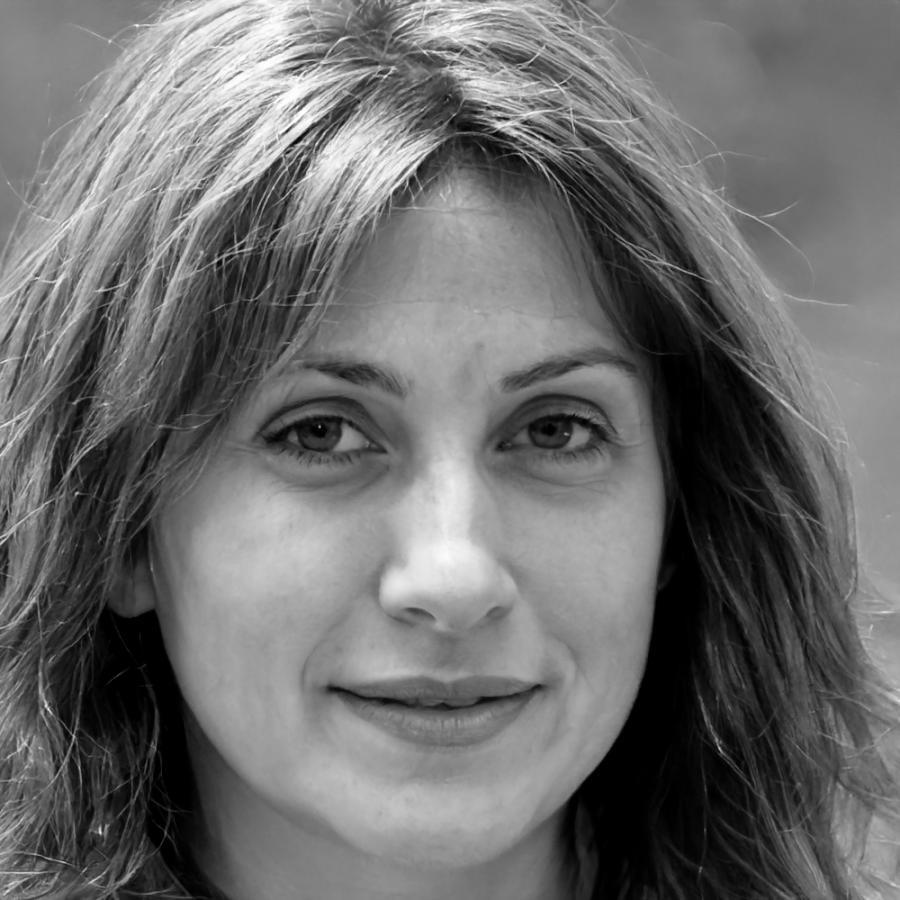
Daryna Petruk
Organizational Analysis Specialist
Petruk researches accountability in non-hierarchical organizations. Her module on flat structures draws directly from field interviews with NGO leadership teams.
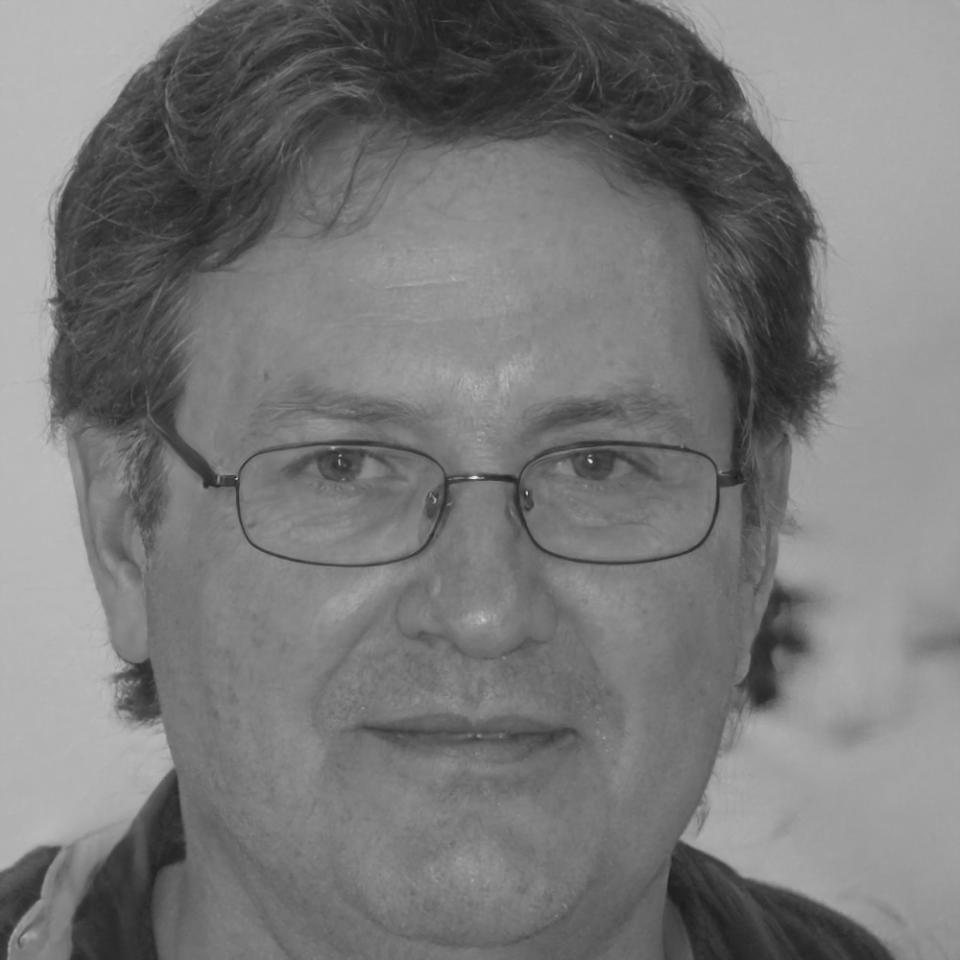
Bohdan Savchuk
Civic Technology Analyst
Savchuk has audited digital participation platforms for regional administrations. He covers both how these tools function and where their design assumptions break down in practice.
Participants can request a one-on-one consultation with any facilitator during the program — sessions are available by appointment and limited to one per module.
Questions about the program
- Sessions conducted in English with Ukrainian language support available on request
- Group size capped at 24 participants per cohort to preserve discussion quality
- Next cohort enrollment details available via the contact page